Home care in Kalyani
Elder care at home in Kalyani
How Kalyani families keep Baba and Ma at home with a nurse, attendant, and a plan for the days you are stuck in Kolkata.

If you grew up in Kalyani, you already know the quiet worry. Baba still wants his morning tea in the same steel glass. Ma still folds the gamchha the same way. And you are on the Sealdah line, or sitting in an office in Salt Lake, hoping the phone does not ring for the wrong reason.
Elder care at home in Kalyani is not a fancy idea from a brochure. It is the arrangement many Bengali families make so parents stay in their own flat, near their own neighbours, instead of being packed off to a new place they did not choose.
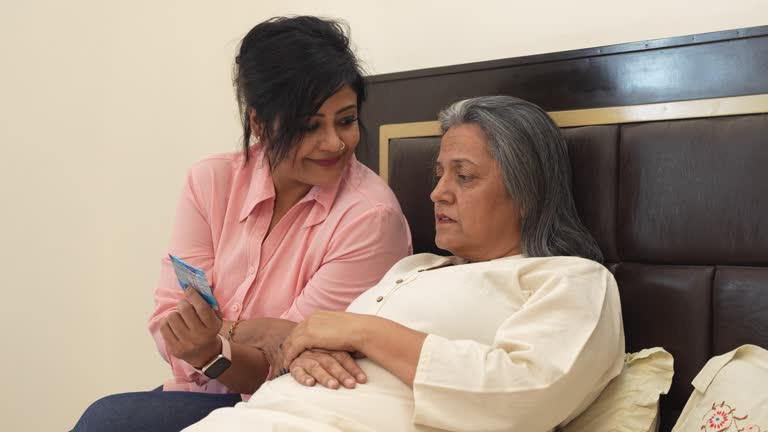 What people usually want is simple.
- Someone who speaks Bangla, not only English from a script
- A written list of medicines, not a verbal promise
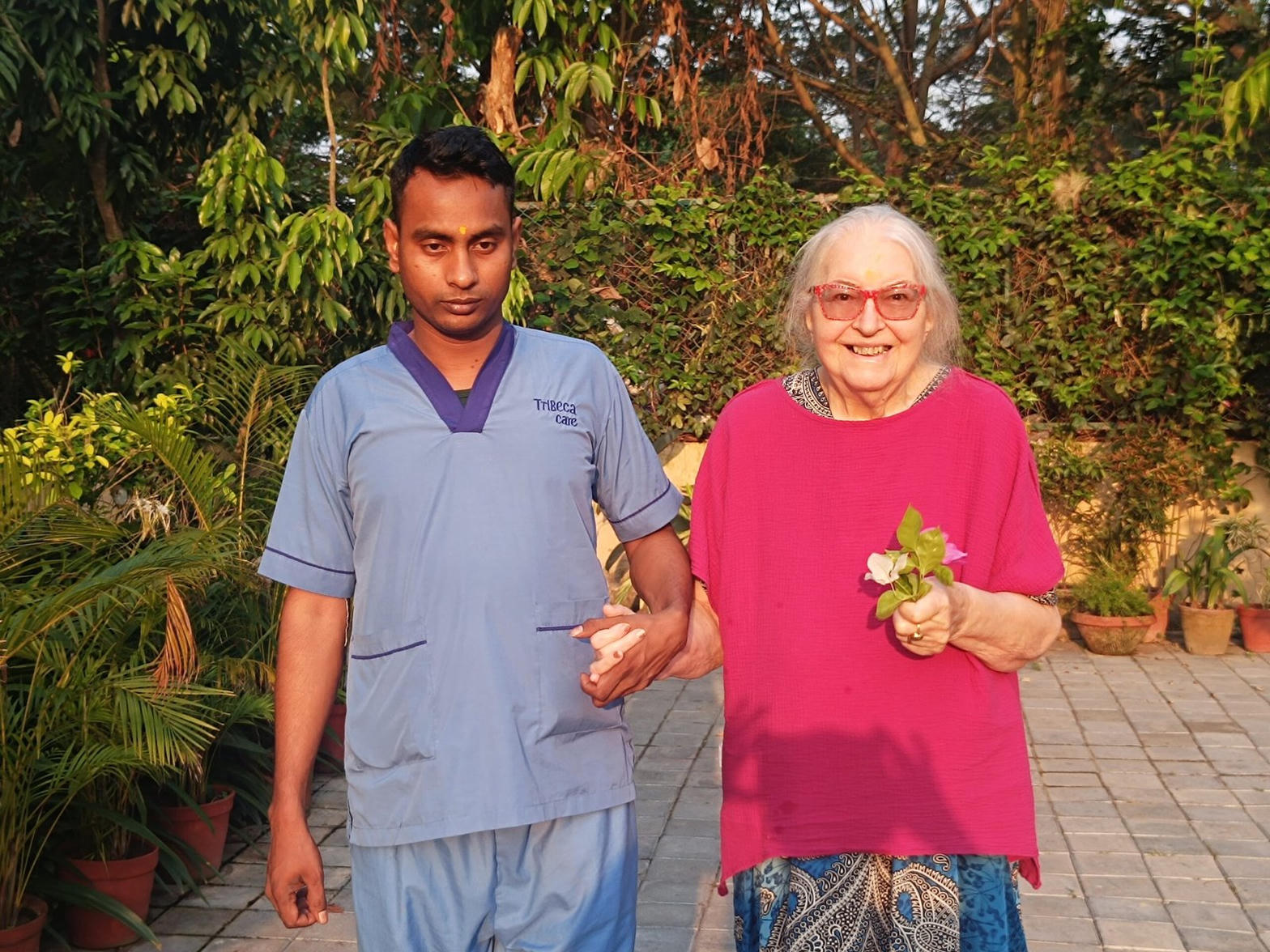
- Help with bathing, food, and walking to the toilet without making Baba feel like a patient
- A call to the son or daughter after the visit, not a long report full of big words
If you have already read about a doctor or a nurse at your address in Kalyani, elder care is the longer version of that same visit. It is for weeks and months, not one evening of fever. Relatives who live in the city often start from the same place as elder care at home in Kolkata, then keep the parents in Kalyani instead of moving them.
What people usually want is simple.
- Someone who speaks Bangla, not only English from a script
- A written list of medicines, not a verbal promise
- Help with bathing, food, and walking to the toilet without making Baba feel like a patient
- A call to the son or daughter after the visit, not a long report full of big words
If you have already read about a doctor or a nurse at your address in Kalyani, elder care is the longer version of that same visit. It is for weeks and months, not one evening of fever. Relatives who live in the city often start from the same place as elder care at home in Kolkata, then keep the parents in Kalyani instead of moving them.
 They call for a night attendant if Ma gets up at 2 a.m. and nobody else is in the flat. Some houses also need a bed, oxygen, or a small procedure at home after discharge, the same way families arrange oxygen and a hospital bed at home in the city.
You do not need every service on day one. Start with the one gap that kept you awake last week.
They call for a night attendant if Ma gets up at 2 a.m. and nobody else is in the flat. Some houses also need a bed, oxygen, or a small procedure at home after discharge, the same way families arrange oxygen and a hospital bed at home in the city.
You do not need every service on day one. Start with the one gap that kept you awake last week.
What elder care at home includes in Kalyani
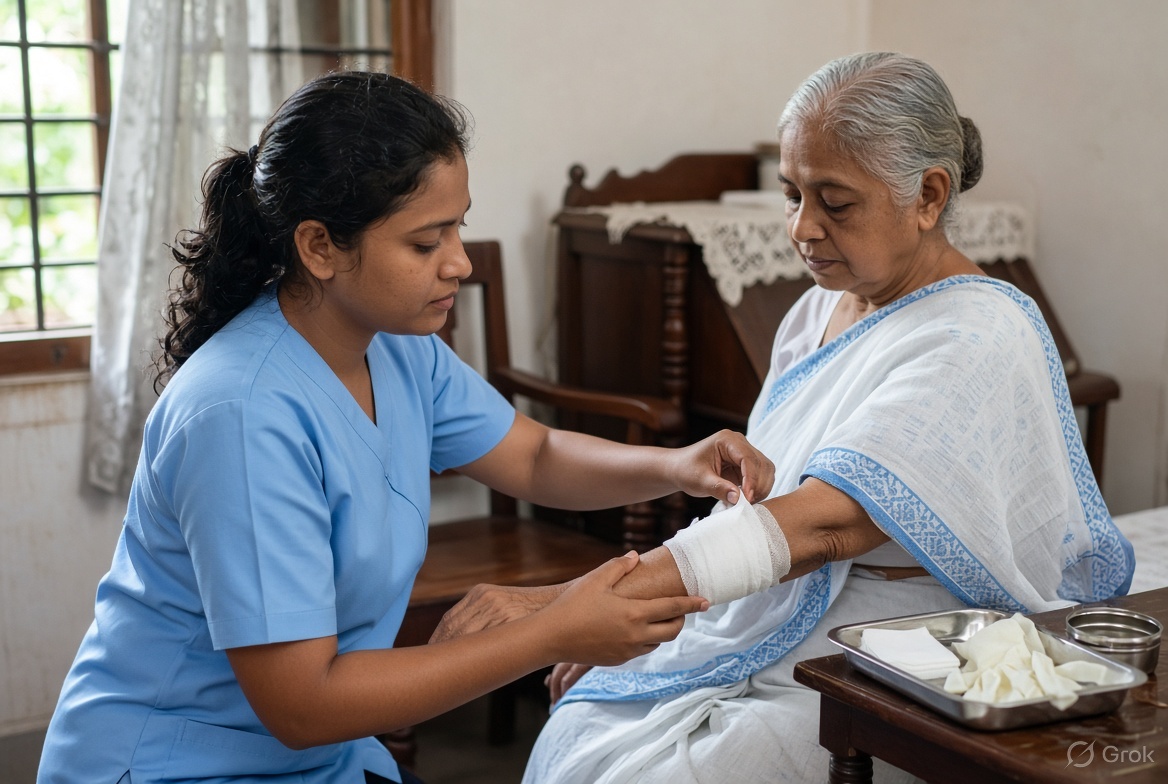
It is not one person who does everything. It is a small set of visits that fit around the house you already have. A nurse can come for blood pressure, sugar, a dressing, an injection, or a short check after a hospital discharge. An attendant can stay for a few hours, or through the night, when Ma cannot be left alone in the bathroom. Families who need a doctor at home usually call when the fever is not settling but she is too weak for another trip to the OPD. Some weeks you only need a lab test at home in the morning so reports reach the usual doctor without standing in a queue. Kalyani is compact. The same lane that takes you to the market can bring a caregiver to the door. That is the whole point. Care comes in. The parent does not have to leave the bed they trust.
Why Kalyani families ask for help at home
Many of us live a split life. Parents stayed back when the children took jobs in Kolkata, Hyderabad, or outside India. The building still has the same lift that stops between floors. The neighbour still knocks if the lights stay off too long. That neighbour cannot give medicines on time.
What people usually want is simple.
- Someone who speaks Bangla, not only English from a script
- A written list of medicines, not a verbal promise
- Help with bathing, food, and walking to the toilet without making Baba feel like a patient
- A call to the son or daughter after the visit, not a long report full of big words
If you have already read about a doctor or a nurse at your address in Kalyani, elder care is the longer version of that same visit. It is for weeks and months, not one evening of fever. Relatives who live in the city often start from the same place as elder care at home in Kolkata, then keep the parents in Kalyani instead of moving them.
A normal day at home, not a ward
Morning starts early here. Tea, biscuits, the newspaper if the eyes still allow it. A good attendant does not rush that. She checks if last night’s tablet was actually swallowed. She notices if the feet are more swollen than yesterday. If there is diabetes or pressure, the nurse may come two or three times a week. She writes the numbers in a small book you can photograph and send to the doctor. That habit saves a lot of argument later. The same idea is used in home monitoring for BP and sugar, and it works in a Kalyani flat just as well. Lunch is often rice. If chewing is slow, the cook or the attendant cuts the fish smaller. Nobody needs a hospital menu. They need the taste they know, served without a fight. Evening is when falls happen. The light in the corridor is weak. The bathroom tiles are wet from the bucket bath. This is when a few hours of help matter more than a long speech about “senior wellness”.
After a fall, a stroke, or a hospital discharge
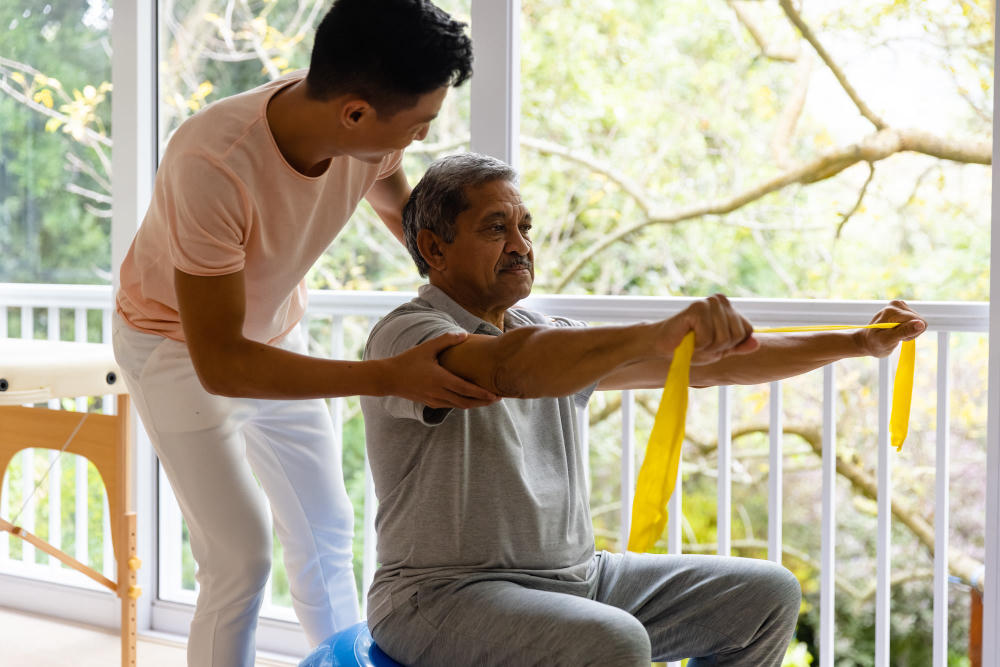
JNM and the private nursing homes nearby send people home quickly. The discharge paper looks complete. The house is not. This is when families call for nursing at home for the wound, the catheter, or the injection the ward sister used to give. They call for physiotherapy at home if Baba is afraid to put weight on the hip.
They call for a night attendant if Ma gets up at 2 a.m. and nobody else is in the flat. Some houses also need a bed, oxygen, or a small procedure at home after discharge, the same way families arrange oxygen and a hospital bed at home in the city.
You do not need every service on day one. Start with the one gap that kept you awake last week.