Home care in Kolkata
Bridging hospital visits and home care in Kolkata
Dr. Mrinmoy Das from AIIMS on the gap Kolkata families feel after discharge, and how home care can meet the parent in their own room.
There is a moment every Kolkata family knows and almost nobody puts on a discharge paper.
The hospital lift opens. Baba is in a wheelchair. The plastic bag of medicines is heavier than it looks. Ma is holding the file as if the file itself will keep him safe. The doctor inside has signed. The bill is paid. The security guard at the gate says get well soon.
Then the cab turns towards Behala, or Salt Lake, or a narrow lane in North Kolkata, and the house is waiting with yesterday’s newspaper still on the table. That is the gap. Hospital visits end. Home care has not begun.
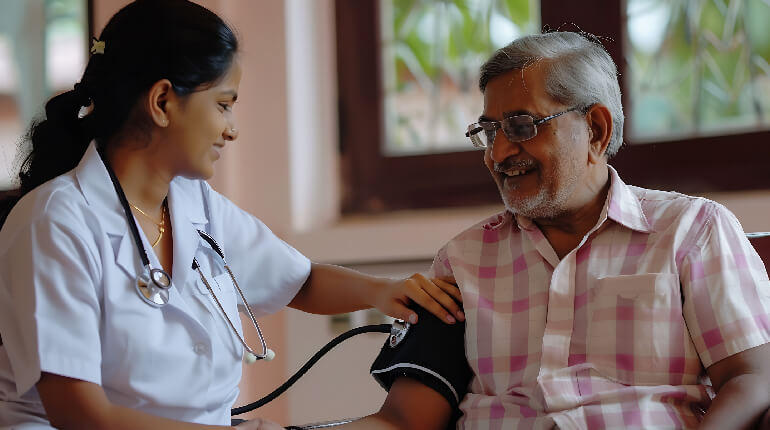
Dr. Mrinmoy Das, from AIIMS, has been trying to close that gap in Kolkata. Not with a speech. With the plain work of sending a doctor, a nurse, or an attendant to the same room where the parent actually sleeps.
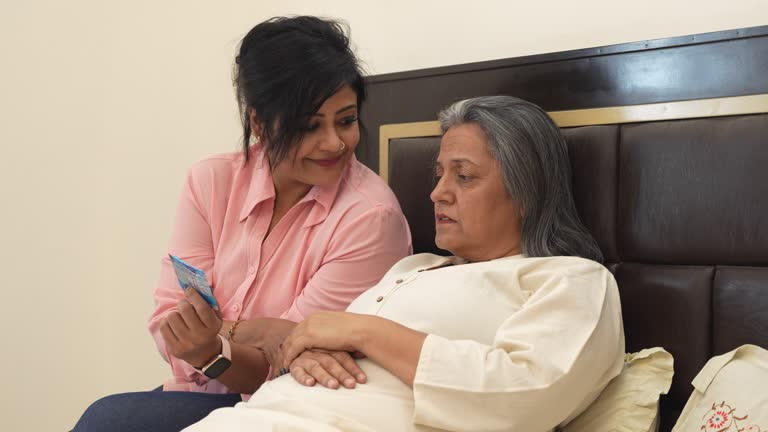
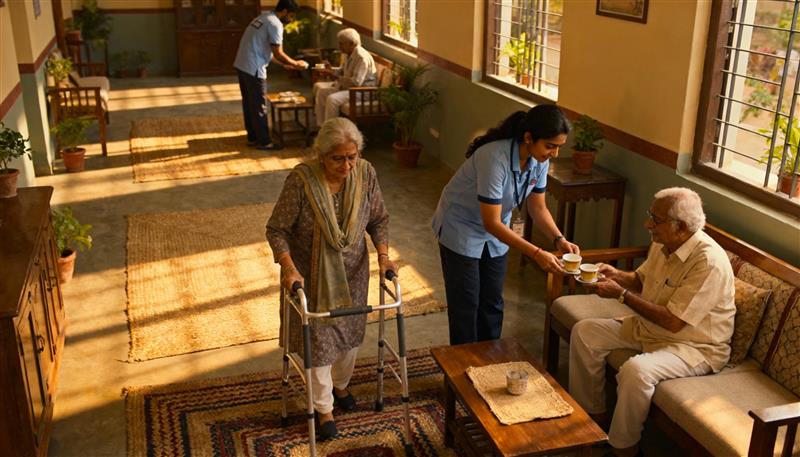 For elders who should not be moved at all, that address is the whole plan. Families already use elder care at home in Kolkata so Ma does not have to learn a new building. The same respect is what Dr. Das keeps coming back to: do not make the parent travel for work that can travel to the parent.
 After a tough discharge, it looks like oxygen or a hospital bed at home so the family is not assembling furniture at midnight from a message on WhatsApp.
The emotional part is not the equipment. It is the parent who can stay in their own room and still be seen.
After a tough discharge, it looks like oxygen or a hospital bed at home so the family is not assembling furniture at midnight from a message on WhatsApp.
The emotional part is not the equipment. It is the parent who can stay in their own room and still be seen.
The night after the hospital
Anyone who has brought a parent home from SSKM, AMRI, or a nursing home in the city remembers the first night. The ward had a bell. The house has a corridor and a bathroom that suddenly looks far. The tablet that was given at 9 p.m. in the ward now sits in a strip on the dining table. Nobody is sure if it was after food or before. The wound dressing that looked simple under a tube light looks different on a bed at home. At 2 a.m. Ma asks if the breathing is normal. You look at your phone and you do not know whom to call without starting another hospital day. This is not drama. This is how home care in Kolkata often starts: with love, and with no plan.
What the gap really is
Kolkata does not lack hospitals. It lacks a clean road between the last ward round and the first morning at home. A family can book a doctor home visit in Kolkata when the fever returns. They can ask for nursing at home for a dressing or an injection. They can keep a night attendant when nobody in the house can stay awake. They can get a lab test at home so the parent does not stand in another queue with a cannula mark still on the hand. The gap is that these things are usually booked after something goes wrong. Dr. Das has been pushing the other way: treat home as the next ward, not as an afterthought. That means a visit that writes the medicines in Bangla if that is what the family reads. It means telling the son which number on the BP machine should send them back to hospital, and which number can wait till morning. It means knowing when home care is enough, and when it is not, the same line drawn in when to call a doctor home and when to go to hospital.Why an AIIMS doctor would sit in a Kolkata living room
People ask this quietly. Why leave the language of a big hospital for a sofa in a two-room flat? Because the parent does not live in the hospital. The parent lives where the tulsi pot is, where the old radio still works, where the grandchild’s drawing is taped to the fridge. Training from AIIMS teaches you what to look for. Kolkata teaches you where to look. In this city the patient is often an older person who will not complain until the family has already missed two days of warning. Home care in Kolkata is not a lesser form of medicine. It is medicine that agrees to come to the address on the Aadhaar card.
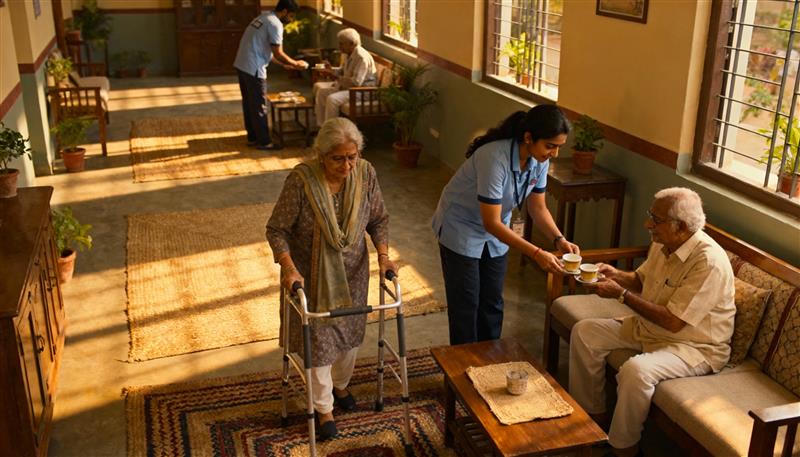
For elders who should not be moved at all, that address is the whole plan. Families already use elder care at home in Kolkata so Ma does not have to learn a new building. The same respect is what Dr. Das keeps coming back to: do not make the parent travel for work that can travel to the parent.
What bridging looks like on an ordinary morning
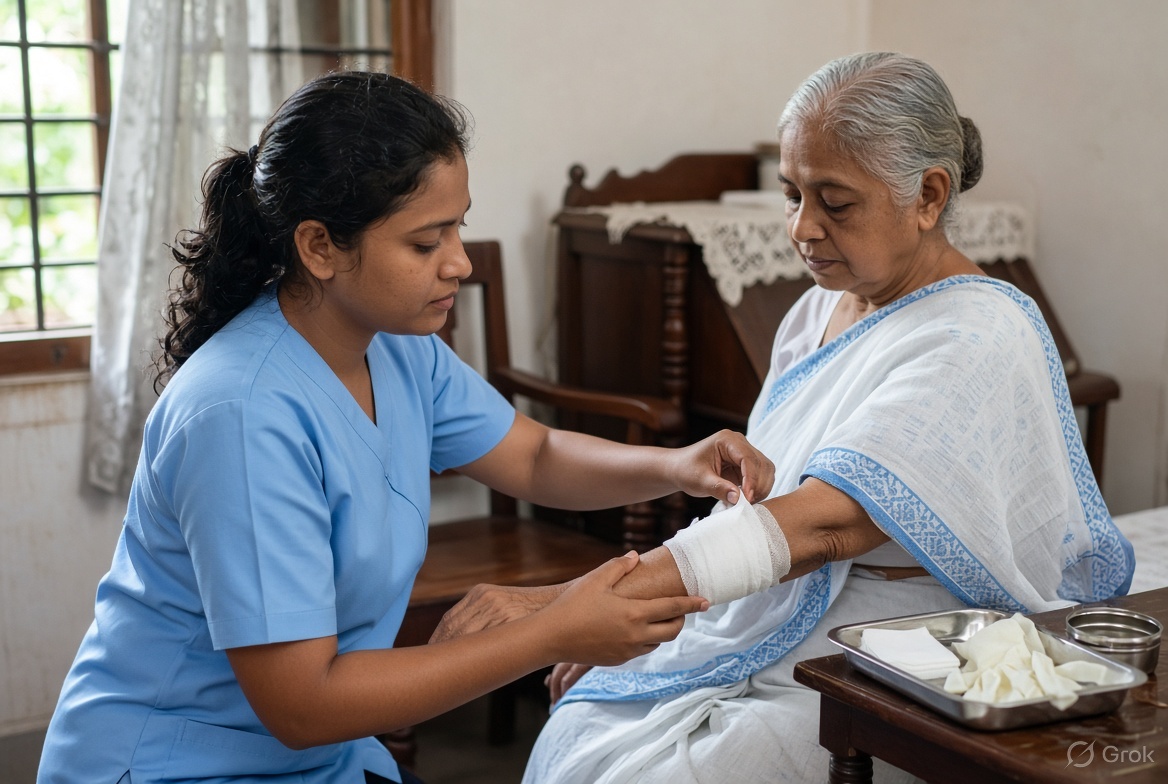
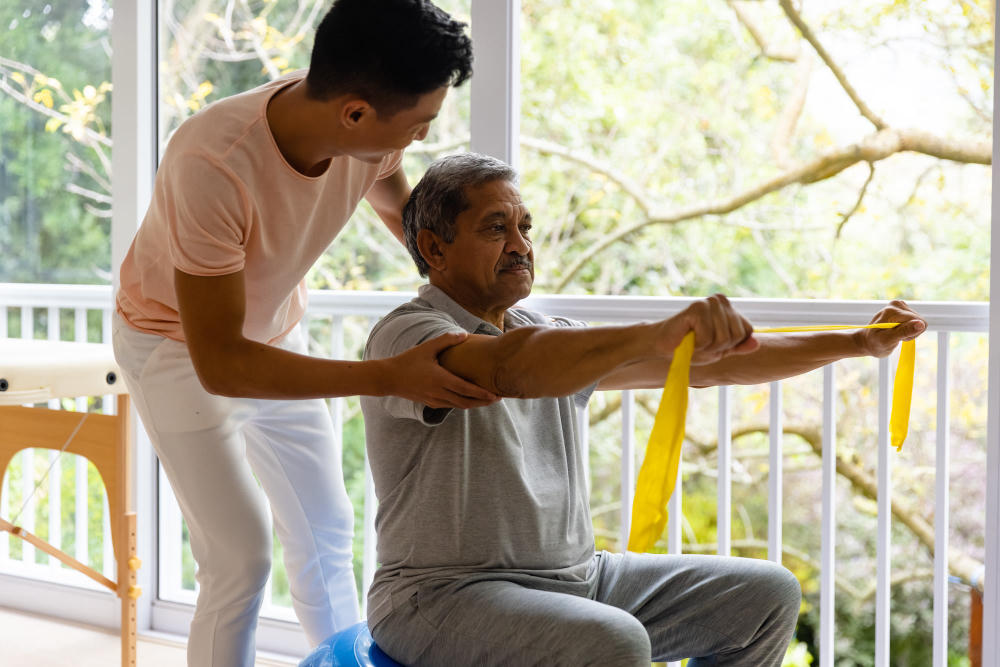
It does not look like a campaign. It looks like a nurse who arrives before the household help, checks the sugar, and does not rush the tea. It looks like a doctor who sits on a plastic chair because the good sofa is for guests. It looks like a note on the fridge: today’s dose, tomorrow’s test, the number to call if the feet swell. After a fall or a surgery, it looks like physiotherapy at home in the same corridor where Baba used to walk to the balcony. After a tough discharge, it looks like oxygen or a hospital bed at home so the family is not assembling furniture at midnight from a message on WhatsApp.
The emotional part is not the equipment. It is the parent who can stay in their own room and still be seen.