Healthy Eating and Junk Food for Children in West Bengal
IAP advice for Bengal parents on junk food, rice-dal plates, juices, oil, and what to pack instead of chips.
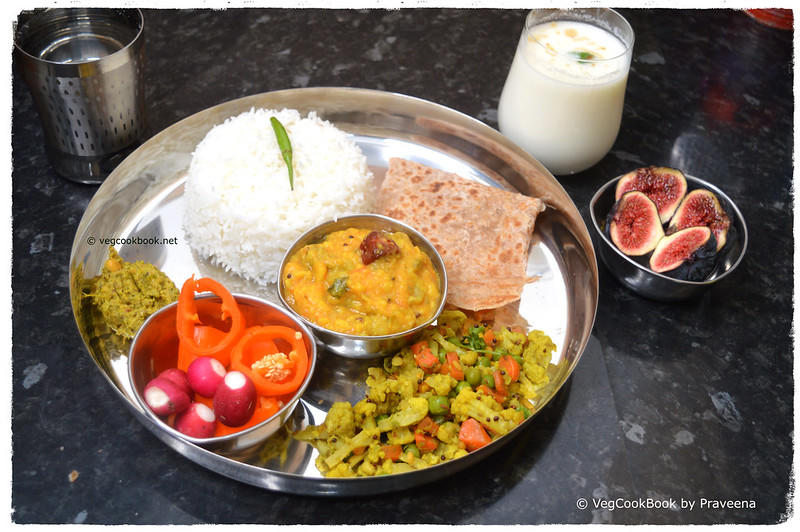
In many Indian homes, a child sits with rice, dal, and a small bowl of sabzi. Then a packet of chips or a sweet drink appears after school. Indian Academy of Pediatrics (IAP) parent guidelines call foods that are high in fat, sugar, salt, or that are ultra-processed junk food. This note explains that guidance in simple words for West Bengal families.
The official IAP parent pages are on the Indian Academy of Pediatrics website.
What counts as junk food
IAP groups these foods under the word JUNCS: junk foods, ultra-processed foods, nutritionally poor foods, caffeinated or coloured or carbonated drinks, and sugar-sweetened beverages.
Common examples many Bengal families buy or order:
- Packaged breakfast flakes, ready bread, instant noodles, commercial ice cream, flavoured yoghurt, packaged chips and namkeen - Restaurant pizza, burger, French fries, pasta, and many Chinese takeaway plates - Cola, packaged fruit drinks with added sugar, flavoured drinks, and energy drinksIAP says children and adolescents should avoid these as far as possible. If they are given, keep them to not more than one serving a week, and that serving should not be more than half of that day's calorie need.
Are cornflakes, bread, and milk supplements healthy shortcuts?
Working parents often lean on bread, cornflakes, and malt drinks. IAP is clear that most ready-to-eat packets are not as healthy as the advertisement sounds.
Cornflakes look low-fat, but added sugar and corn syrup make them a poor daily breakfast. White bread is high in calories and refined carbohydrate and low in protein, fibre, and vitamins. Many brown breads are still mostly refined flour.
Malt-based milk supplements are ultra-processed. The second ingredient is usually a lot of free sugar. That sugar can push weight up, harm teeth, and is not needed by a healthy child. Extra vitamins on the label can come cheaper from ordinary food and milk. For a well child, IAP says these drinks are best avoided.
How junk food can harm
- Poor nutrition: high sugar, salt, and fat; low protein, vitamins, and minerals - Weight gain and, over years, higher risk of diabetes, heart disease, and high blood pressure - Some additives in ultra-processed food may raise cancer risk - Dirty handling can bring diarrhoea, typhoid, or hepatitis - High sugar can cause dental caries - Colouring and additives can trigger allergies - Caffeine can raise heart rate and disturb sleep and moodWhat to put on a Bengal child's plate instead
Till 6 months, IAP says exclusive breastfeeding. No ghutti, water, top milk, honey, juice, or tea.
From 6 months to 1 year, homemade options they list include khichri, dalia, sooji kheer, mashed potato or banana or boiled vegetables, upma, mashed idli, and curd.
For toddlers and older children: dal, rice, chapatti, vegetables, curd, dal or besan chilla, egg, fruit, idli-dosa from homemade batter, upma, poha or seviyaan with vegetables, milk-fruit smoothie without sugar, cooked beans, and roasted or boiled chicken or fish when the family eats these.
In an ordinary Indian kitchen that often means rice, dal, a seasonal sabzi, curd, and a whole fruit — not a packet juice.
IAP calorie split for a healthy meal: about 15–30% from fats, 10–15% from proteins, 55–75% from carbohydrates. Free sugars should stay under 5%. No trans fat. Salt limits they give: under 1 g a day up to 12 months, under 2 g at 1–3 years, under 3 g at 4–6 years, under 5 g at 7–10 years, and 6 g from 11 years.
Juices and shakes
Give the whole fruit, not juice. Fruit has more fibre and nutrients and less chance of germs from squeezing.
- No fruit juice under 2 years - Age 2–5 years: up to 125 mL a day of fresh homemade juice with no added sugar - Older than 5 years: up to 250 mL a day, still fresh, homemade, no added sugarCanned and packaged juices are not advised. A homemade mash of fruit in milk without sugar is fine. Powdered shake mixes are not. The best drink is clean water.
Home pizza, luchi, and mishti
Foods high in saturated fat, trans fat, sugar, or salt stay in the junk group even when you cook them at home. Home versions are still better than shop packets because they skip colours, preservatives, and taste enhancers, and children usually eat less of them.
IAP tips to make homemade treats a little safer:
- Keep the kitchen clean - Do not reuse oil that was already used for frying - Cut sugar and salt - Use atta instead of maida, and gur instead of refined sugar when you can - Skip preservatives and coloursLuchi, halwa, payesh and other festival sweets are part of many Indian celebrations. Keep them as festival food, not everyday tiffin.
Which oil, ghee, and butter
Use the same oil the rest of the family uses. No one oil is perfect. IAP prefers rotating groundnut, mustard, and soybean oil. Some families use olive oil. Mustard oil is already common in many Indian kitchens; rotating it with another oil matches this advice.
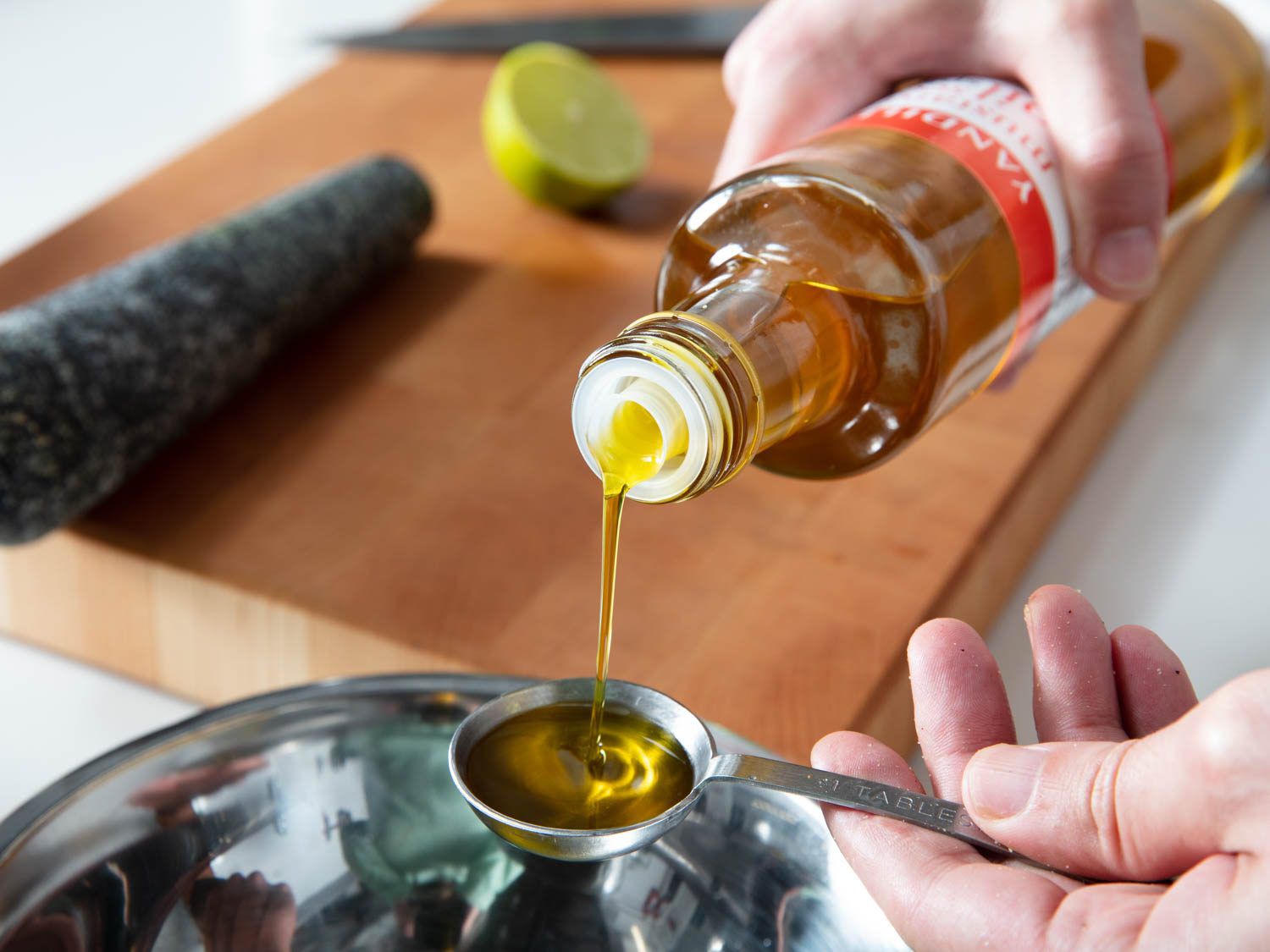
Do not keep heating the same kadhai oil again and again. Reused frying oil raises trans fat.
A little desi ghee or butter is fine for taste, but saturated fat should stay under 10% of the day's energy.
When the child refuses home food
- Stay calm. Do not shout or force-feed. - Do not stock junk packets at home. - Eat the same rice and dal yourself. Children copy what they see. - Add one new healthy item at a time, cheerfully. - Change taste or look a little — a squeeze of lebu, a different shaak. - Stop constant snacking between meals. - Let the child help wash vegetables or serve.Tea, coffee, and energy drinks in exam months
IAP warns that several cups of tea or coffee a day, and energy drinks sold for “staying awake”, are not a safe study plan. Caffeine can disturb sleep and heart rhythm. A 14-year-old who feels sleepy after four or five cups needs more night sleep and regular food, not another stimulant drink.
When to see a doctor
If weight is rising fast, teeth are decaying, the child is tired all day, or you worry about sugar or blood pressure, speak to a paediatrician. A home visit is useful when the child is too unwell to travel; sudden severe pain, repeated vomiting, or a very high fever still needs a hospital.