Toys, Play and Sports for Children: An IAP Guide for Indian Parents
Which toys fit which age, why free play matters, and how to pick a sport without burning the child out.
A cardboard box can beat an expensive battery toy. That is not a slogan. It is close to what the Indian Academy of Pediatrics (IAP) tells parents about toys, play and sports: the child should do something, not only watch something.
Read the source list on the IAP guidelines for parents page. Play also needs safe rooms; that sits with preventing accidents at home.
Toys that match the age, not the advertisement
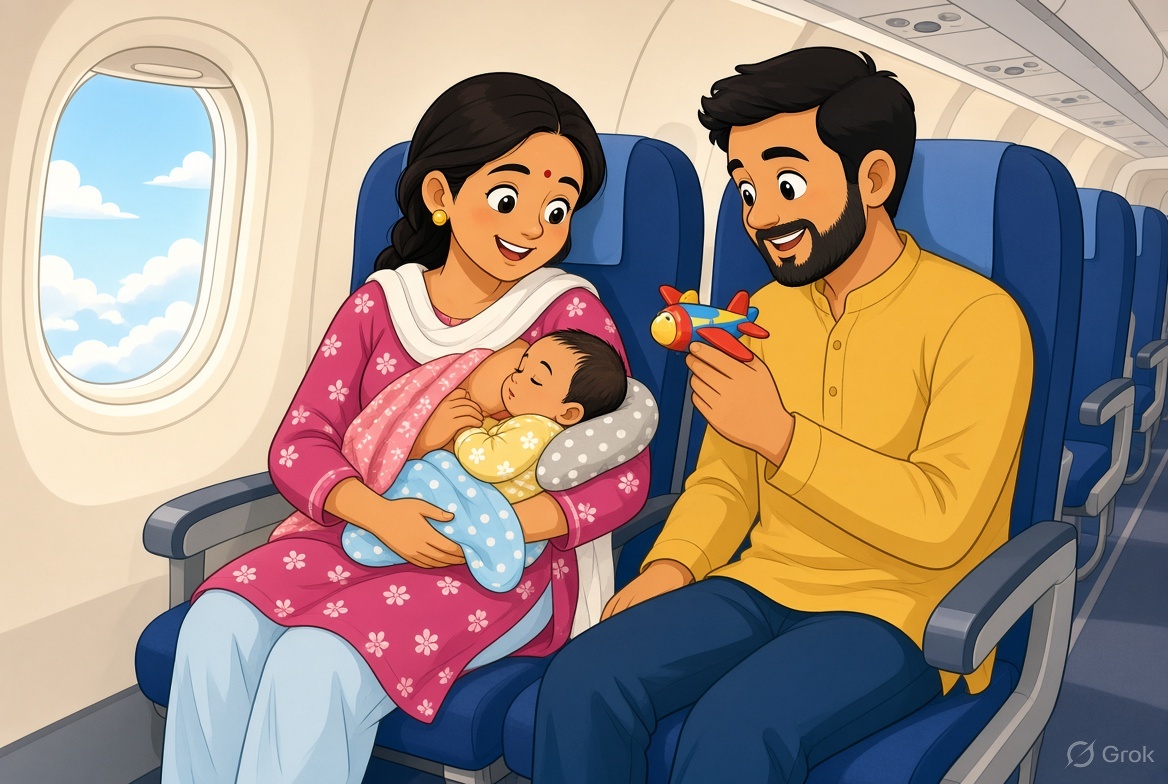
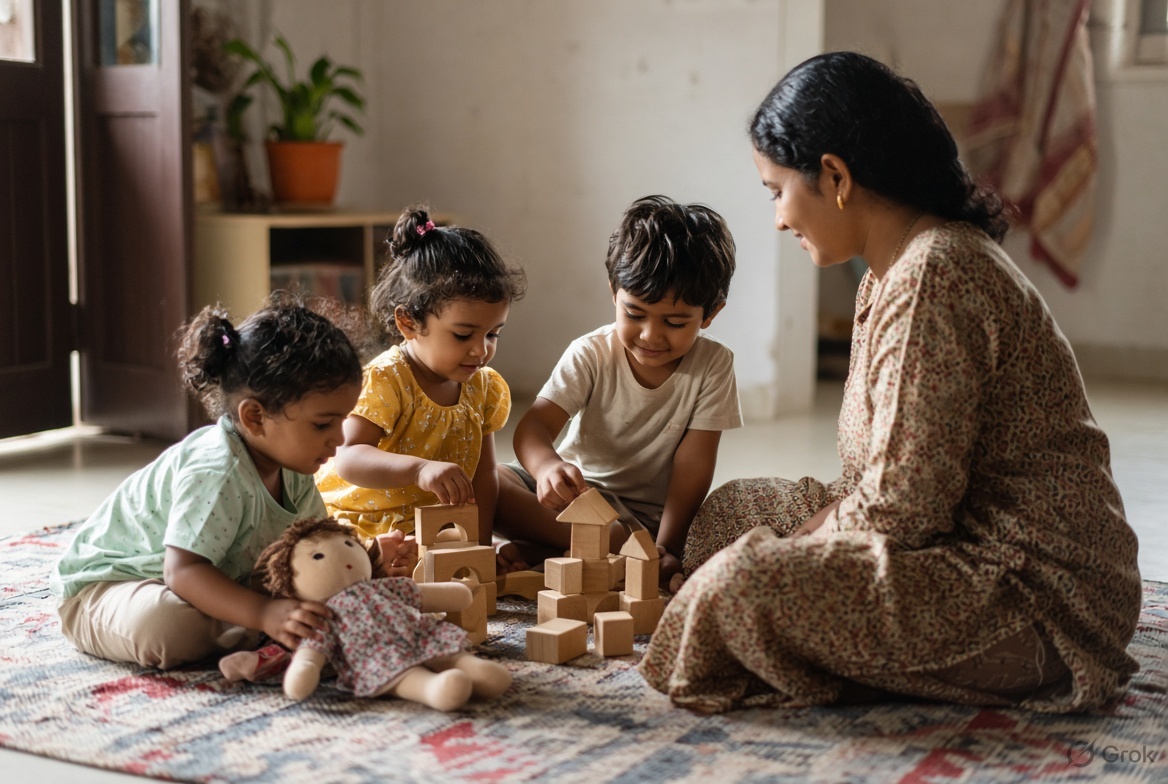
- From about 2 months: rattles, soft squeeze toys, teething rings, textured balls, bubbles. - From about 1 year: stacking rings, blocks, nesting cups, simple puzzles, board books. - From about 1½ years: dolls, puppets, a toy kitchen or doctor set — pretend play. - From about 2 years: balls to kick and throw, a low slide or swing with an adult next to it. - From 3–5 years: hiding games, passing the parcel, early team play. - From about 6 years: Ludo, snakes and ladders, simple card games that teach waiting for a turn.Till three years, parts must be large so they cannot be swallowed. Skip sharp edges and soft PVC that a baby will mouth. Supervise outdoor play at least until six, and longer if the place is not safe. IAP does not favour baby walkers.
Free play first
Let the child decide that a bus is a bridge. Join at their height. Describe what they are doing instead of quizzing them. Before two, a “class” that lasts longer than a few minutes usually loses them. Stop throwing at people, firmly and without a lecture. Do not ignore hitting.
A child with autism, ADHD or a learning difficulty may prefer dry rice, water or sand to a formal puzzle. Follow interest. Do not force a smile for the camera.
Sports without turning the house into a scoreboard
IAP wants children in some enjoyable movement before puberty — football, swimming, cricket, running, dance, kho-kho, kabaddi, badminton, even carrom. WHO-linked figures they quote: about three hours of activity through the day for ages 1–4, and at least 60 minutes of real huff-and-puff play for ages 5–17.
Pick what the child likes and what the family can actually reach. Do not gift your own unfinished dream. If the child says no, keep the door open and drop the guilt.
Competitive hours should not run past about 16 a week. Rest days matter. One sport only, year after year, raises injury and boredom. Contact games need gear. Hot-weather practice needs water. A gym is only as safe as the adult watching the weights; growing bones do not need a bodybuilder plan. Protein powder is not a meal. Eggs, dal and fish do the same job when the child is actually training.